Over the past decade, dental tourism has evolved from a niche concept into a mainstream healthcare decision for thousands of Americans every year. What was once seen as a risky or unconventional option is now a carefully planned, research-driven choice made by patients seeking quality, affordability, and timely care.
As a medical tourism expert working closely with international dental clinics and American patients, I have witnessed a significant shift in attitudes. Dental tourism is no longer about “cheap dentistry.” It is about value, access, transparency, and patient control.
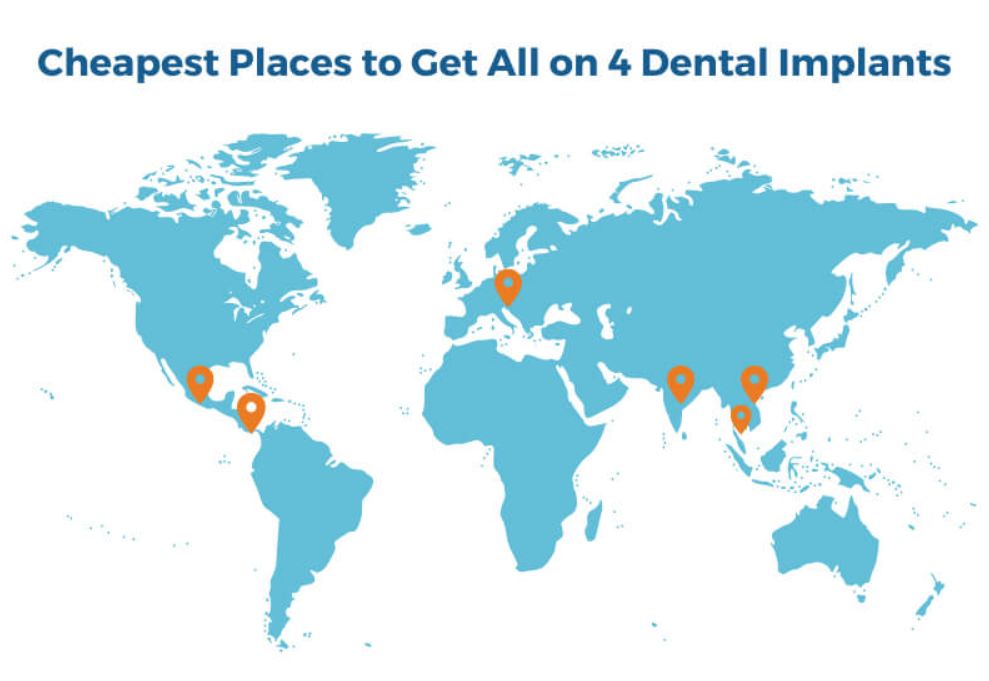
This review explains what dental tourism truly is, why Americans are increasingly looking beyond U.S. borders for dental treatment, and why destinations such as Budapest, Hungary, along with Turkey and Mexico, have become central to this global movement.
What Is Dental Tourism?
Dental tourism refers to traveling outside one’s home country to receive dental care, often combining treatment with short-term travel. Patients may seek anything from routine procedures to advanced treatments such as implants, full-arch rehabilitation, cosmetic dentistry, or complex restorative work.
Unlike emergency medical tourism, dental tourism is usually planned and elective, allowing patients time to compare options, review clinics, and prepare financially and logistically.
For Americans, dental tourism has become especially relevant as dental costs continue to rise while insurance coverage remains limited.
Why Dental Tourism Is Growing Among Americans
1. Rising Dental Costs in the United States
The United States has some of the highest dental treatment costs in the world. While clinical standards are high, pricing reflects:
-
High operational and staffing costs
-
Expensive dental education and student debt
-
Insurance inefficiencies
-
Administrative and regulatory expenses
Major procedures such as implants, crowns, bridges, or full-mouth restorations can easily reach tens of thousands of dollars. Even with insurance, patients are often left with significant out-of-pocket expenses.
For many, dental tourism is not about luxury—it is about financial feasibility.
2. Limited Dental Insurance Coverage
Dental insurance in the U.S. functions very differently from medical insurance. Annual maximums, waiting periods, exclusions, and partial coverage are common.
As a result:
-
Insurance often covers only a fraction of major treatments
-
Patients reach annual limits quickly
-
Financing becomes necessary
Dental tourism offers an alternative model: transparent pricing and the ability to pay directly for treatment without long-term debt.
3. Long Wait Times and Treatment Delays
In certain parts of the U.S., access to dental specialists can involve long waiting periods, especially for complex procedures.
For patients in pain or facing progressive dental issues, waiting months for treatment is not always realistic. Many overseas clinics can schedule comprehensive treatment within weeks, not months.
4. Desire for Comprehensive, One-Location Treatment
American dentistry often spreads treatment across multiple appointments over extended periods. In contrast, dental tourism clinics are structured to deliver coordinated, streamlined care, allowing patients to complete complex treatments in fewer visits.
This model appeals to patients who want efficiency and clarity.
Budapest, Hungary: The Capital of Dental Tourism in Europe
When discussing dental tourism, Budapest consistently stands out as a leading destination—particularly for American and European patients.
Why Budapest?
Budapest has earned its reputation through decades of specialization in dentistry. The city combines advanced dental education, modern clinics, and a healthcare model designed to serve international patients.
Key factors include:
-
Highly trained dentists with EU-standard education
-
Modern clinics equipped with advanced technology
-
Transparent treatment planning
-
Significantly lower costs compared to the U.S.
For Americans, Budapest offers a compelling balance of quality, affordability, and professionalism.
Cost Differences Without Compromising Quality
One of the most striking aspects of dental treatment in Budapest is pricing. Even after accounting for flights and accommodation, patients often save a substantial amount compared to U.S. treatment costs.
These savings are not the result of lower standards, but rather:
-
Lower operating and labor costs
-
Efficient clinic structures
-
High patient volumes
-
Less administrative overhead
Many clinics focus almost exclusively on international patients, allowing them to refine processes and maintain consistent quality.
Clinical Standards and Safety
Hungary is part of the European Union, and dental professionals are subject to strict regulatory standards. Dentists undergo rigorous training, and clinics are required to comply with EU health and safety regulations.
From a medical tourism perspective, Budapest offers a reassuring level of oversight and accountability, which is especially important for American patients traveling abroad for the first time.
Experience With Complex Treatments
Budapest is particularly well known for:
-
Dental implants
-
Full-arch restorations
-
Crowns and bridges
-
Advanced prosthetics
Because many clinics treat international patients daily, they are highly experienced in complex, multi-phase cases and long-term planning.
Turkey: A Rapidly Growing Dental Tourism Destination
Turkey has emerged as another major player in dental tourism, especially for cosmetic and implant treatments.
Why Americans Consider Turkey
Turkey attracts patients through:
-
Competitive pricing
-
Modern, visually impressive clinics
-
Strong focus on aesthetics and smile design
-
Package-style treatment offers
Cities such as Istanbul and Antalya have become hubs for international dental care.
Considerations for Patients
While Turkey offers excellent clinics, quality can vary more widely than in long-established destinations. Patients must carefully research providers, credentials, and follow-up protocols.
From an expert standpoint, Turkey is well-suited for patients who:
-
Are comfortable with thorough research
-
Prioritize cosmetic outcomes
-
Seek comprehensive treatment packages
Mexico: Proximity and Practicality
Mexico is a popular dental tourism destination for Americans, particularly those living in southern states.
Why Mexico Appeals to U.S. Patients
-
Geographic proximity
-
No long-haul flights
-
Familiar culture and language accessibility
-
Strong dental hubs near the U.S. border
Cities like Tijuana, Los Algodones, and Cancun host clinics that cater specifically to American patients.
Strengths and Limitations
Mexico offers convenience and affordability, especially for routine or moderate treatments. However, for highly complex cases, some patients prefer destinations with longer-established reputations in advanced implantology and full-mouth rehabilitation.
Comparing Dental Tourism Destinations
From a medical tourism expert’s perspective, the choice of destination depends on patient priorities.
-
Budapest excels in complex, long-term restorative care
-
Turkey stands out for cosmetic dentistry and competitive packages
-
Mexico offers proximity and ease of access
Each destination has strengths, and none is inherently “better” without considering individual needs.
The Patient Experience Abroad
One of the most surprising aspects for many Americans is the patient-centred experience offered by international clinics.
Common features include:
-
Longer consultations
-
Detailed treatment explanations
-
Dedicated patient coordinators
-
Clear pricing from the start
Patients often feel more involved in decision-making and less rushed than they do at home.
Addressing Common Concerns About Dental Tourism
Is It Safe?
When properly researched, dental tourism can be very safe. Risks are minimized by choosing accredited clinics, experienced clinicians, and destinations with strong regulatory frameworks.
What About Follow-Up Care?
Reputable clinics provide:
-
Detailed aftercare instructions
-
Remote follow-up support
-
Coordination with local dentists if needed
Planning follow-up care is an essential part of the process.
Language Barriers
In major dental tourism hubs, English-speaking staff are standard. Communication is rarely an obstacle in established clinics.
Why Americans Are Rethinking Dental Care Models
Dental tourism reflects a broader shift in healthcare decision-making. Patients are becoming more proactive, informed, and willing to explore alternatives.
For many Americans, the question is no longer “Should I consider dental tourism?” but rather “Which option aligns best with my needs, budget, and expectations?”
The Role of Transparency and Trust
Successful dental tourism depends on trust. Clinics that provide honest assessments, realistic timelines, and transparent pricing earn long-term reputations and patient referrals.
From an expert standpoint, transparency—not price—is the most important indicator of quality.
Combining Treatment and Travel
While dental tourism is not a vacation in the traditional sense, many patients appreciate the opportunity to recover in culturally rich destinations.
Budapest, in particular, offers:
-
Historic architecture
-
Thermal baths
-
Calm recovery environments
This combination can make the treatment journey more positive and less stressful.
Conclusion: Dental Tourism as a Rational Healthcare Choice
Dental tourism is no longer a fringe trend—it is a rational response to the realities of modern dentistry in the United States.
For Americans facing high costs, limited insurance, and delayed treatment, going abroad offers an alternative path rooted in quality, efficiency, and transparency.
Budapest, Hungary stands out as a leading destination due to its clinical expertise, regulatory standards, and long-standing experience with international patients. Turkey and Mexico also play important roles, each offering distinct advantages.
Ultimately, dental tourism is about choice. It empowers patients to seek the care they need on terms that make sense for their health, finances, and quality of life.
With proper research and realistic expectations, dental tourism can be a safe, effective, and rewarding solution for Americans looking beyond borders for better dental care.