An insightful, clinical, and traveler-friendly guide for U.S. patients considering dental implant tourism.
Dental implant tourism has become a mainstream strategy for U.S. patients who face steep oral healthcare costs at home. Traditionally, Mexico has been the go-to option for Americans looking for savings. However, two other global leaders — Turkey and Hungary (especially Budapest) — increasingly compete for attention by offering world-class dentistry, technological sophistication, and significant cost savings. In 2026, Budapest gains an edge for many U.S. dental tourists with new direct flights from Philadelphia, simplifying travel logistics and shrinking the psychological distance between the U.S. and Central Europe.
This review breaks down the key factors you need to know — including cost, quality, logistics, and patient experience — to make an informed and confident decision.
1. Why Americans Are Looking Beyond Mexico for Dental Implants
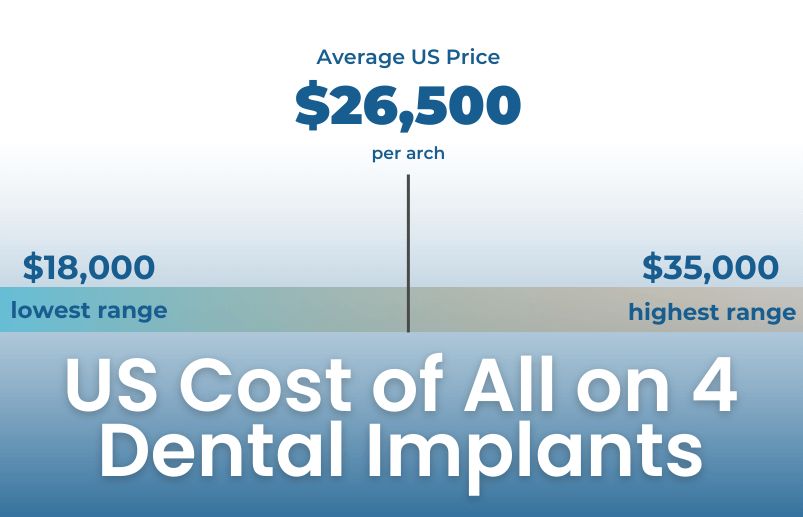
Dental implant costs in the United States are notoriously high — often $3,000–$5,500 per implant or more — excluding crowns, abutments, and preparatory work. This price point pushes many Americans to explore international options that can reduce total treatment costs by 50–80% even with travel and accommodation included.
While Mexico offers proximity and affordability, it presents two challenges for some: variable clinic quality and limited comprehensive aftercare once patients return home — a key factor when considering a long-term investment like dental implants.
This has led many U.S. patients to consider other destinations that combine affordability with structured, high-standard clinical environments — notably Turkey and Hungary.
2. Turkey: A Dental Tourism Powerhouse
Cost and Value
Turkey — particularly Istanbul and Antalya — has become one of the world’s most competitive dental tourism markets:
-
Implant Costs: Often lower than Mexico when quoted in all-inclusive packages. Clinics report €450–€700 per premium quality implant and very competitive full-mouth packages.
-
All-Inclusive Packages: Many Turkish clinics include airport transfers, hotel stays, and treatment packages in their quotes, making budgeting more predictable.
Clinical Sophistication
Turkey boasts internationally accredited dental facilities and dentists with European or U.S. training. Advanced digital diagnostics and immediate-loading implant protocols are frequently available.
Pros of Choosing Turkey
-
Strong price competitiveness, especially for full-mouth solutions.
-
Modern clinics with JCI or equivalent international affiliations.
-
English-speaking staff and tourism-oriented services.
Considerations
-
Travel logistics: No direct flights from the U.S., often requiring stops in Europe or the Middle East — meaning longer total travel time and potential jetlag.
-
Quality variance: While many Turkish clinics are excellent, some lower-cost providers may prioritize volume over detailed aftercare. Vetting and review research are critical.
3. Hungary — Why Budapest Is a Top Choice in 2026
Clinical Reputation and Standards
Hungary has built a global reputation over decades as Europe’s “dental capital.” Dental professionals are highly trained, EU-certified, and many clinics integrate the latest technology like 3D CBCT imaging, CAD/CAM prosthetics, and digital smile design.
The regulatory environment under EU healthcare standards ensures consistent quality across reputable practices — a meaningful reassurance for patients wary of variable clinic outcomes.
Cost Efficiency
Costs in Budapest for dental implants remain markedly lower than in the U.S.:
-
Typical implant procedures range from roughly €700–€1,200 per tooth — significantly below U.S. prices and comparable to or slightly above Turkey, depending on implant type.
-
Comprehensive packages often include consultation, diagnostics, surgery, prosthetics, and even hotel and transfer logistics in bundled prices.
Despite occasional “hidden” travel and diagnostic fees (e.g., advanced scans), overall costs remain compelling — especially for multi-tooth and full-arch treatments.
Direct Flights in 2026 — A Gamechanger
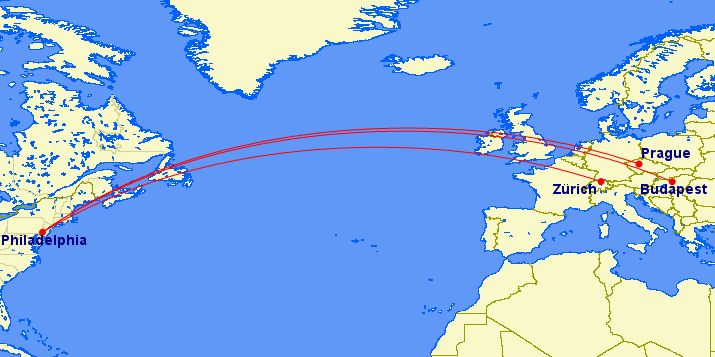
One of the most important logistics factors for U.S. patients — especially from the Eastern U.S. — is travel time and convenience.
In May 2026 American Airlines launches daily nonstop flights from Philadelphia (PHL) to Budapest, reducing travel burden and time zones compared to multi-leg itineraries through London, Frankfurt, or Amsterdam.
This matters: smoother travel means less jetlag, more time for recovery between procedures, and a stronger ability to coordinate initial treatment and follow-up care during the same trip.
Quality Over Time
Budapest’s dental tourism ecosystem is mature, with decades of treating foreign patients. Clinics often feature:
-
English-speaking coordinators and dentists.
-
EU-standard hygiene and safety compliance.
-
Streamlined treatment timelines, often completed within a few short trips rather than protracted schedules.
4. Fact-Based Cost Comparison (2026 Estimates)
| Aspect | U.S. (Local) | Mexico | Turkey | Budapest, Hungary |
|---|---|---|---|---|
| Single Dental Implant | $3,000–$5,500 | $900–$1,500 | €450–€700 | €700–€1,200 |
| Zirconia Crown | $1,200–$2,000 | $400–$650 | €300–€500 | €350–€490 |
| All-on-4 Full Arch | $25,000–$46,000 | $7,000–$8,500 | €3,500–€7,000 | €7,200–€10,500 |
These ranges demonstrate that, while Turkey may edge out Hungary in sticker price on some procedures, Budapest’s pricing remains competitive while offering EU-level regulation, clinical consistency, and now unparalleled travel access from the U.S.
5. Aftercare, Warranty, and Long-Term Outcomes
Mexico
-
Easy for Americans geographically, but follow-up care after returning home can be challenging if warranty coverage is short or inconsistent.
Turkey
-
Many clinics provide comprehensive packages, but aftercare coordination can vary by provider. Meticulous research and documented guarantees are essential.
Budapest
-
Many Hungarian clinics explicitly include aftercare plans and structured warranty terms for international patients. English-speaking coordinators assist with follow-up planning, and the EU regulatory framework encourages higher transparency and quality continuity.
6. Travel Logistics and Patient Experience
Travel Time and Cost
-
Mexico: Short flights or even driving distance for many U.S. patients. Minimal travel fatigue and relatively low cost.
-
Turkey: Longer flights, layovers, and more complex itinerary planning than Mexico.
-
Budapest (U.S. East Coast): With direct flights from Philadelphia starting May 2026, travel becomes more direct and competitive — especially for longer treatment plans that benefit from fewer connections and layovers.
City Experience
Budapest combines dental tourism with rich cultural experiences — historic architecture, thermal baths, and world-class gastronomy — making treatment trips potentially restorative on multiple levels.
7. Final Assessment: Budapest as the Premier Alternative
When you balance quality, cost, travel logistics, and aftercare, Budapest stands out as a compelling alternative — and in many ways preferable to both Mexico and Turkey — for U.S. patients considering dental implants:
Why Budapest?
-
Accessible direct flights from Philadelphia starting May 2026.
-
EU-regulated clinical standards with consistently high quality.
-
Competitive, transparent pricing that undercuts U.S. dental costs while delivering advanced implant technology.
-
A mature dental tourism ecosystem with packages, coordinators, and aftercare plans for international patients.
Turkey remains a solid option for those prioritizing ultra-competitive pricing and all-inclusive packages, but Budapest’s advantages in regulation, travel convenience, and patient support make it exceptionally attractive in 2026.