Over the past decade, zirconia dental crowns have moved from being a niche restorative option to one of the most requested treatments in cosmetic and restorative dentistry worldwide. Patients traveling abroad for dental care increasingly ask specifically for zirconia crowns, and clinics across Europe, Asia, and Latin America now highlight them as a premium yet practical solution for long-lasting smile restoration.
From strength and aesthetics to biocompatibility and long-term value, zirconia crowns represent a major advancement compared to traditional metal-ceramic options. For medical tourists, they offer a combination of durability and natural appearance that aligns perfectly with the goals of international dental travel: high quality, reasonable cost, and results that last for years.
This comprehensive review explores why zirconia crowns are gaining popularity, how they compare to other crown materials, what patients can realistically expect, and why so many travelers now plan their dental journeys around this technology.
Table of Contents
ToggleWhat Are Zirconia Crowns?
Zirconia crowns are dental restorations made from zirconium dioxide, a highly durable ceramic material used in medical and industrial applications for decades. Unlike traditional porcelain-fused-to-metal crowns, zirconia crowns are metal-free and offer a combination of strength and translucency that closely mimics natural teeth.
Dentists use zirconia crowns to restore damaged, decayed, or weakened teeth, as well as to improve the shape and color of teeth for cosmetic reasons. They are also commonly used on dental implants and bridges. Because zirconia is exceptionally strong, it can withstand heavy chewing forces, making it suitable for both front and back teeth.
Modern zirconia is not a single uniform material. Dental laboratories now work with multiple generations of zirconia, each offering slightly different levels of strength and translucency. Earlier versions focused heavily on durability, while newer formulations provide improved aesthetics without sacrificing reliability.
The Rise of Zirconia in Dental Tourism
Dental tourism has expanded rapidly as patients seek affordable yet high-quality treatments abroad. Zirconia crowns fit perfectly into this trend because they provide premium outcomes at prices often far lower than those in countries with higher healthcare costs.
Several factors explain the surge in demand:
-
Global awareness of aesthetic dentistry
-
Advancements in CAD/CAM technology
-
Improved materials and manufacturing precision
-
Competitive pricing in international clinics
-
Longer lifespan compared to many alternatives
Patients are no longer traveling solely for emergency dental care or basic fillings. Many now combine vacations with advanced cosmetic treatments, and zirconia crowns have become a cornerstone of this movement.
Strength and Durability: A Major Advantage
One of zirconia’s strongest selling points is its exceptional durability. Natural teeth experience significant pressure every day from chewing, grinding, and biting. Traditional porcelain crowns, while attractive, can chip or crack under heavy stress. Zirconia, by contrast, is known for its resistance to fractures and wear.
For patients who grind their teeth or require crowns on molars, zirconia often becomes the recommended material. Its structural strength allows dentists to create thinner crowns while maintaining stability, which can help preserve more of the natural tooth structure during preparation.
This durability also translates into peace of mind for travelers. Many dental tourists want treatments that will not require frequent repairs or follow-up visits. A crown that can last 10–15 years or longer with proper care is a compelling investment.
Aesthetic Appeal and Natural Appearance
Early zirconia crowns were sometimes criticized for looking slightly opaque or artificial. Today’s versions, however, have improved significantly in translucency and color matching. Advanced shading techniques and layered zirconia options allow dental technicians to recreate the subtle gradients found in natural enamel.
For front teeth, aesthetics are often the deciding factor. Patients want crowns that blend seamlessly with surrounding teeth, especially when smiling or speaking. Modern zirconia can be customized to match individual skin tones, tooth shades, and light reflections, resulting in a more lifelike appearance.
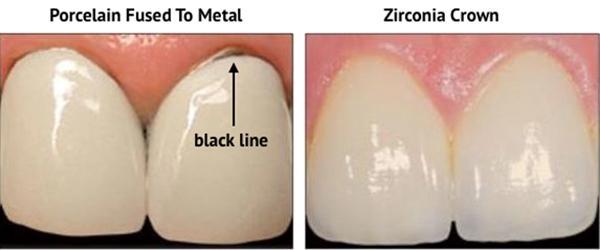
Unlike metal-based crowns, zirconia does not create a dark line near the gumline. This makes it particularly attractive for cosmetic dentistry and smile makeovers, where visual harmony is essential.
Biocompatibility and Safety
Biocompatibility refers to how well a material interacts with the body without causing adverse reactions. Zirconia is widely recognized as one of the most biocompatible materials used in dentistry. It is non-metallic, corrosion-resistant, and unlikely to trigger allergic responses.
Patients with metal sensitivities or concerns about long-term exposure to alloys often prefer zirconia for this reason. The material’s smooth surface also discourages plaque accumulation, contributing to healthier gums and reduced risk of irritation.
For medical tourists, safety is a top priority. Knowing that zirconia has a strong track record in medical and dental applications provides reassurance, especially when undergoing treatment abroad.
Precision Through Digital Dentistry
Another reason zirconia crowns have become so popular is the role of digital technology. Many clinics now use CAD/CAM (Computer-Aided Design and Computer-Aided Manufacturing) systems to design and mill crowns with extreme accuracy.
Digital impressions eliminate the discomfort associated with traditional molds, while computer-guided fabrication ensures a precise fit. This reduces the likelihood of adjustments, shortens treatment time, and enhances overall comfort.
In some clinics, patients can receive same-day zirconia crowns thanks to in-house milling machines. This efficiency is especially appealing for travelers with limited time, allowing them to complete treatment in a single visit or short stay.
Cost-Effectiveness in the Long Term
Although zirconia crowns may initially cost more than basic metal-ceramic options, their long-term value often makes them more economical. A crown that lasts significantly longer reduces the need for replacements, repairs, or additional appointments.
Dental tourism further amplifies this cost advantage. In many destinations, zirconia crowns are available at a fraction of the price charged in higher-cost countries, even when travel expenses are included. This combination of affordability and longevity makes zirconia a practical choice for patients seeking both quality and savings.
Comfort and Functionality
Beyond aesthetics and strength, zirconia crowns also deliver excellent functionality. Patients often report a natural feel when biting or chewing, with minimal sensitivity after placement. The material’s smooth texture allows it to integrate comfortably with surrounding teeth and gums.
Properly fitted zirconia crowns distribute pressure evenly, which helps maintain jaw alignment and overall oral health. When paired with good dental hygiene, they can support daily functions without discomfort or inconvenience.
Minimal Tooth Reduction
Traditional crown procedures sometimes require extensive reshaping of the natural tooth. Because zirconia is so strong, dentists can often remove less enamel during preparation. Preserving more of the original tooth structure contributes to long-term stability and reduces the likelihood of complications.
For patients who value conservative dentistry, this aspect is particularly appealing. It aligns with modern dental philosophies that prioritize preservation over aggressive intervention.
Versatility in Treatment Options
Zirconia is not limited to single crowns. It is also used in bridges, implant restorations, veneers, and full-arch reconstructions. This versatility allows dentists to maintain material consistency across multiple treatments, ensuring uniform color and performance.
For medical tourists planning comprehensive smile transformations, zirconia offers flexibility and reliability across various restorative needs.
Longevity and Maintenance
A well-crafted zirconia crown can last 15 years or more, and in many cases even longer. Longevity depends on factors such as oral hygiene, dietary habits, and regular dental check-ups. Patients who brush, floss, and attend routine cleanings significantly extend the lifespan of their crowns.
Maintenance is straightforward. Zirconia does not stain easily and retains its color over time. Unlike some materials, it resists wear from acidic foods and beverages, making it suitable for diverse diets.
Environmental and Technological Trends
Modern dentistry increasingly emphasizes sustainability and innovation. Zirconia fits well within this framework due to its efficient digital production methods and long service life. Fewer replacements mean reduced material waste and fewer clinical interventions, which align with broader environmental considerations.
Technological progress also continues to enhance zirconia’s properties. Each new generation of material brings improvements in translucency, strength balance, and milling precision, ensuring that zirconia remains at the forefront of restorative dentistry.
Psychological and Social Benefits
A confident smile influences personal and professional interactions. Patients who restore damaged or discolored teeth often report improved self-esteem and social confidence. Zirconia crowns, with their natural appearance and durability, support these psychological benefits by providing results that feel both secure and attractive.
For many dental tourists, the decision to travel is tied not only to cost savings but also to life-changing transformations. The emotional value of a reliable, beautiful smile cannot be underestimated.
Why Medical Tourists Prefer Zirconia Crowns
Several consistent themes emerge among international patients:
-
Desire for natural-looking results
-
Need for durable restorations
-
Concern about metal allergies
-
Interest in advanced digital dentistry
-
Long-term value and reduced maintenance
-
Access to competitive pricing abroad
These factors collectively explain why zirconia crowns have become a top request in dental tourism consultations.
Choosing the Right Clinic Abroad
While zirconia crowns offer many advantages, outcomes depend heavily on the expertise of the dental team and the quality of the laboratory work. Patients should research clinics carefully, review before-and-after cases, and confirm the materials and technologies used.
Transparent communication, digital planning, and clear aftercare instructions are key indicators of professionalism. A reputable clinic will provide detailed treatment plans, realistic timelines, and follow-up support.
Final Thoughts
Zirconia crowns represent a blend of science, artistry, and technological innovation. Their rise in popularity is not driven by marketing trends alone but by tangible improvements in strength, appearance, and patient satisfaction. For medical tourists, they offer a reliable pathway to restoring both function and confidence without compromising on quality.
As dentistry continues to evolve, zirconia remains one of the most trusted materials for long-term restorations. Patients seeking a modern, durable, and aesthetically pleasing solution increasingly view zirconia crowns as a smart investment in their oral health and overall well-being.
Last Updated on February 12, 2026 by LaPorta