For many Americans, dental insurance is supposed to provide peace of mind. It promises coverage, affordability, and access to quality care. Yet, in reality, millions of patients find themselves facing unexpected out-of-pocket expenses, limited treatment options, and long delays for essential procedures. These shortcomings are increasingly pushing patients to look beyond US borders for dental care, and Budapest, Hungary has emerged as one of the most attractive destinations.
With the introduction of new direct flights from Philadelphia to Budapest, access has never been easier. Combined with Hungary’s reputation for world-class dentistry, the city is quickly becoming a strategic hub for dental tourism among US patients frustrated with their insurance plans.
Understanding the Problem: Limitations of US Dental Insurance
Unlike general health insurance, dental coverage in the United States operates under a fundamentally different model. Most plans are not designed to cover the full cost of major procedures. Instead, they function more like discount programs with strict annual caps and exclusions.
One of the most significant limitations is the annual maximum. Many plans cap coverage at $1,000 to $2,000 per year. While this may be sufficient for routine cleanings and minor fillings, it falls far short when patients require more complex treatments such as implants, crowns, or full-mouth restorations.
Another common issue is the waiting period. Patients who enroll in a new plan often must wait six to twelve months before they can access coverage for major procedures. For individuals experiencing pain or urgent dental issues, this delay is simply not acceptable.
Coverage exclusions further complicate the situation. Cosmetic procedures, which often include treatments like veneers or certain types of crowns, are typically not covered at all. Even medically necessary treatments may be partially denied depending on how the insurance provider classifies the procedure.
In addition, many plans use a restrictive network model. Patients must choose dentists within a specific network to receive full benefits. If a trusted specialist falls outside this network, costs can increase dramatically.
Major US Dental Insurance Providers and Their Challenges
Several major insurance providers dominate the US dental market, including Delta Dental, Cigna, MetLife, Aetna, and Humana. While these companies offer a wide range of plans, they share similar structural limitations that can leave patients financially exposed.
Delta Dental, the largest provider, offers extensive network coverage but still enforces annual maximums and percentage-based reimbursements. Patients often find that only a fraction of implant or prosthetic work is covered.
Cigna and Aetna provide flexible plans but frequently impose waiting periods and limitations on major restorative treatments. MetLife and Humana offer competitive pricing but also maintain strict caps and exclusions.
For patients needing advanced procedures such as full arch implants, bone grafting, or complex prosthodontics, insurance coverage typically falls far short of actual costs. It is not uncommon for patients to receive treatment plans exceeding $20,000 to $40,000, with insurance covering only a small portion.
The Financial Reality for American Patients
When faced with high treatment costs and limited insurance support, many patients delay care. Unfortunately, postponing dental treatment often leads to more severe issues, including infections, tooth loss, and systemic health complications.
Others begin to explore alternatives. Dental tourism has become a viable and increasingly popular solution, offering high-quality care at significantly lower prices.
Budapest stands out as a leading destination due to its combination of affordability, expertise, and accessibility.
Why Budapest Is Leading the Dental Tourism Market
Hungary has long been recognized as the dental capital of Europe. Budapest, in particular, attracts tens of thousands of international patients each year. The city’s reputation is built on a combination of highly trained dentists, modern clinics, and competitive pricing.
Hungarian dentists undergo rigorous training and often have international certifications. Many professionals speak fluent English and have extensive experience treating patients from the United States, the United Kingdom, and Western Europe.
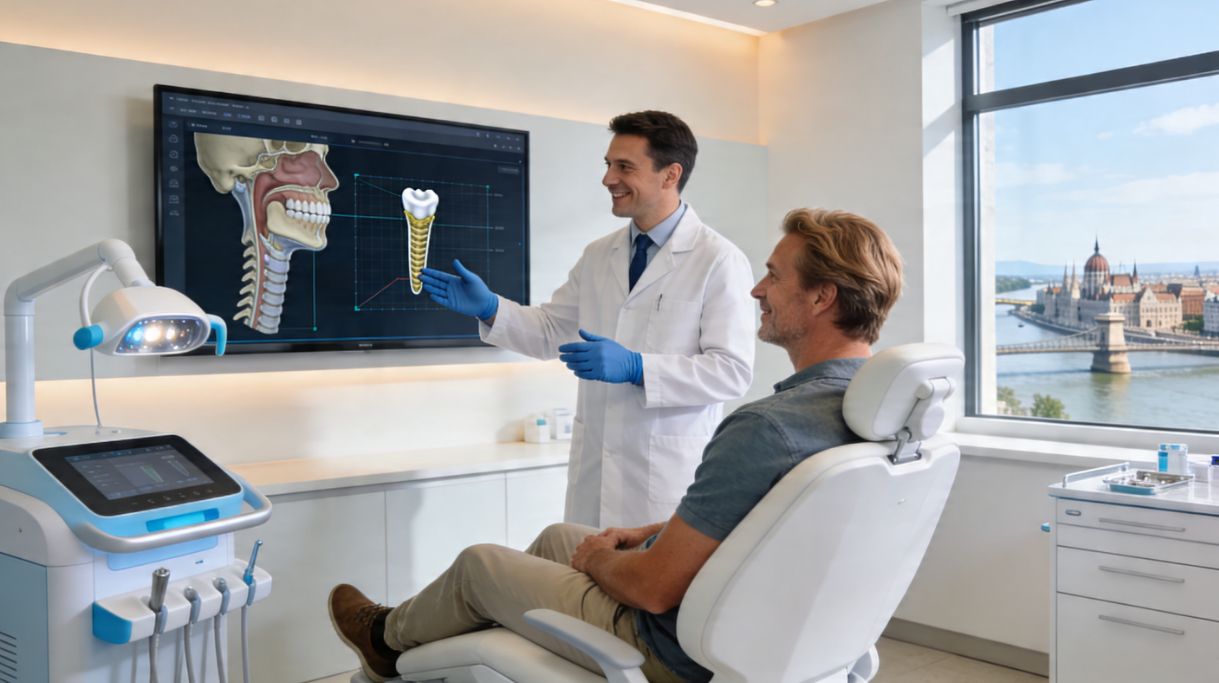
Clinics in Budapest are equipped with advanced technology, including digital imaging, CAD/CAM systems, and 3D implant planning. This ensures that patients receive the same level of care they would expect from top clinics in the US.
Cost savings are one of the most compelling factors. Procedures in Budapest can cost 50 to 70 percent less than in the United States, even when factoring in travel expenses. For example, a dental implant that might cost $4,000 in the US can often be completed for $1,200 to $1,800 in Budapest.
The Impact of Direct Flights from Philadelphia
The introduction of direct flights between Philadelphia and Budapest marks a significant development in dental tourism. Previously, patients often had to navigate multiple connections, increasing travel time and complexity.
With direct routes, Budapest becomes far more accessible to patients from the East Coast and beyond. Shorter travel times reduce stress and make it easier for patients to plan treatment visits.
This improved connectivity is expected to drive further growth in dental tourism, particularly among patients who may have previously hesitated due to logistical concerns.
What Treatments Patients Are Seeking Abroad
The majority of American patients traveling to Budapest are seeking procedures that are either not fully covered or prohibitively expensive in the US.
Common treatments include:
- Dental implants and full arch restorations
- All-on-4 and All-on-6 implant solutions
- Porcelain crowns and bridges
- Full mouth rehabilitation
- Bone grafting and sinus lifts
- Cosmetic dentistry, including veneers and smile makeovers
These procedures require a high level of expertise and often involve significant costs in the US. In Budapest, patients can access experienced specialists and comprehensive care packages at a fraction of the price.
Quality and Safety Considerations
One of the most common concerns among patients considering dental tourism is quality and safety. Budapest addresses these concerns effectively through strict regulations and high professional standards.
Many clinics are accredited and adhere to European Union healthcare regulations. Infection control protocols, sterilization procedures, and patient safety standards are closely monitored.
In addition, reputable clinics provide detailed treatment plans, transparent pricing, and warranties on dental work. This level of professionalism helps build trust among international patients.
The Patient Experience in Budapest
Beyond clinical quality, the overall patient experience plays a crucial role in the appeal of dental tourism. Budapest offers a unique combination of medical care and cultural exploration.
Patients often describe their trips as a blend of treatment and vacation. The city is known for its historic architecture, thermal baths, and vibrant culinary scene. Recovery periods can be spent exploring the city or relaxing in wellness facilities.
Many clinics offer comprehensive packages that include airport transfers, accommodation assistance, and dedicated patient coordinators. This ensures a smooth and stress-free experience from arrival to departure.
Comparing Costs: US vs Budapest
To understand the value of dental tourism, it is helpful to compare typical costs. A single dental implant in the US may cost between $3,000 and $5,000. In Budapest, the same procedure is often available for under $2,000.
A full mouth restoration in the US can exceed $30,000. In Budapest, similar treatments may range from $10,000 to $15,000.
Even after accounting for flights and accommodation, patients can achieve substantial savings while receiving high-quality care.
Why Insurance Limitations Are Driving Change
The growing popularity of dental tourism highlights a fundamental issue within the US healthcare system. Dental insurance has not evolved to meet the needs of patients requiring advanced care.
As costs continue to rise and coverage remains limited, more patients are seeking alternatives. Budapest offers a practical solution that combines affordability with excellence.
This trend is unlikely to slow down. In fact, improved travel connections and increasing awareness are expected to accelerate the shift.
Is Dental Tourism Right for Every Patient
While dental tourism offers significant advantages, it may not be suitable for everyone. Patients should carefully evaluate their individual needs, treatment complexity, and travel considerations.
Thorough research is essential. Choosing a reputable clinic with verified credentials and positive patient reviews is critical to ensuring a successful outcome.
Patients should also plan for follow-up care and understand the timeline of their treatment. Some procedures may require multiple visits, while others can be completed in a single trip.
Budapest’s Future as a Global Dental Hub
Budapest’s position as a leading dental tourism destination continues to strengthen. Investments in healthcare infrastructure, growing international demand, and improved accessibility all contribute to its rising prominence.
The addition of direct flights from major US cities, including Philadelphia, signals a new phase of growth. As more patients discover the benefits of receiving treatment abroad, Budapest is poised to remain at the forefront of this global movement.
For American patients navigating the limitations of dental insurance, the city offers not just an alternative, but a compelling solution. In a healthcare landscape where affordability and quality often seem at odds, Budapest demonstrates that it is possible to achieve both.
Last Updated on April 21, 2026 by LaPorta