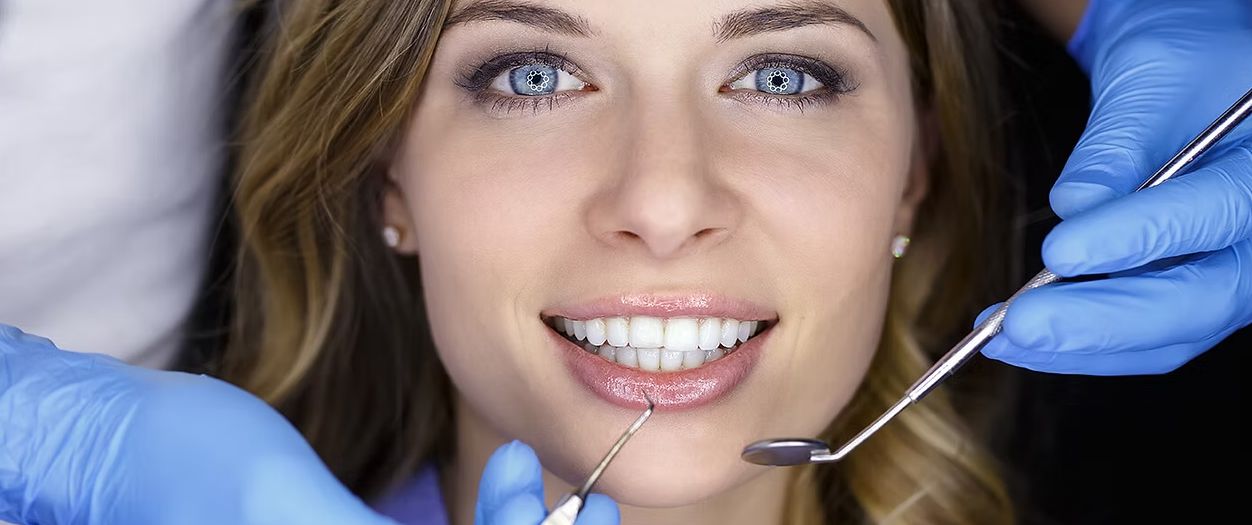

A crowned tooth is a tooth that has been covered with a custom-made cap to restore its shape, strength, and appearance. In everyday terms, the crown acts like a protective shell that helps a damaged or weakened tooth stay functional instead of being removed. That is why crowns matter so much in modern dentistry: they do not just improve a smile, they often save a tooth that still has useful life left in it.
For UK patients considering treatment abroad, crowns are especially relevant because they are one of the most common restorative treatments people travel for. They are practical, widely used, and suitable for both functional repair and cosmetic improvement. In a dental tourism context, a crown can be the difference between living with a compromised tooth and regaining comfortable, confident chewing again.
What a crown actually does
A dental crown fits over the part of the tooth above the gum line and is designed to mimic the tooth’s natural shape and size. It can restore a tooth that has been broken, heavily filled, worn down, decayed, discoloured, or weakened after root canal treatment. Dentists also use crowns to support bridgework and to cover dental implants, which makes them one of the most versatile restorations in dentistry.
The real value of a crown is that it reinforces the tooth from the outside while preserving the natural root underneath. Instead of removing the tooth and replacing it completely, the dentist keeps the root in place whenever possible and rebuilds the visible part with a durable covering. That approach often gives the best mix of function, comfort, and long-term stability.
Why crowns matter clinically
Crowns matter because teeth rarely become damaged in a neat, predictable way. A tooth may survive years of small fillings, then suddenly crack, chip, or start to fail under normal chewing pressure. When enough healthy tooth structure is lost, a filling may not be strong enough to hold everything together, and a crown becomes the more reliable option. In that sense, a crown is often a preventive step as much as a restorative one.
This matters even more after root canal treatment. A tooth that has had root canal therapy can become more brittle, so placing a crown helps protect it from fracture and future failure. It also matters for teeth with large old restorations, because repeated repairs can leave the remaining tooth walls thin and vulnerable. By covering the tooth fully, a crown spreads biting forces more evenly and lowers the chance of further breakage.
Common reasons for a crown
Dentists usually recommend a crown for one of a few clear reasons. The tooth may have a crack or break that is too extensive for a simple filling. It may be badly decayed, heavily worn, or structurally weak after previous treatment. In some cases, the tooth may still be healthy enough to save, but it needs extra support to avoid future problems.
Crowns can also improve appearance when a tooth is misshapen, badly discoloured, or uneven. That cosmetic role should not be underestimated, because a single badly damaged tooth can affect how a whole smile looks and how comfortable a patient feels in social situations. For many patients, the best crown is the one that makes the tooth look natural rather than obviously repaired.
Types of crown materials
Crown materials vary, and the right choice depends on where the tooth sits, how hard it bites, and what kind of look the patient wants. Porcelain and ceramic crowns are often chosen for front teeth because they can look very natural and blend well with the smile. Zirconia is popular for strength and durability, especially in areas that take more chewing force.
Metal-ceramic crowns combine a strong metal base with a tooth-coloured outer layer, offering a balance of durability and appearance. The important point is not that one material is universally best, but that the crown should suit the tooth’s location and the patient’s needs. A well-planned crown should feel secure, look natural, and hold up under everyday use.
How the treatment works
The crown process usually begins with an examination, X-rays if needed, and a discussion of whether the tooth can be saved and what kind of crown is appropriate. If the dentist decides to proceed, the tooth is prepared so the crown can fit securely. Impressions or digital scans are then taken, and a temporary crown is often placed while the permanent one is made.
At the final appointment, the dentist removes the temporary crown, checks the fit, shape, and bite of the final restoration, and bonds it into place. If the crown is made well, the fit should feel smooth, the bite should feel balanced, and the crown should blend with the surrounding teeth. The patient may need a short adjustment period, but most people quickly adapt to the restored tooth.
What patients should expect after fitting
After a crown is fitted, the tooth may feel slightly different for a short time, especially if the bite needs minor adjustment. Temporary sensitivity can happen, but persistent pain, looseness, or bite discomfort should always be checked by a dentist. The most important early habit is to avoid putting unnecessary stress on the crown while the area settles.
For long-term care, good oral hygiene is essential. Brushing twice daily with fluoride toothpaste, flossing carefully, and using interdental cleaning where needed all help protect the crown and the natural tooth underneath. Regular check-ups matter too, because crowns do not last forever and the tooth around them still needs monitoring. In other words, the crown is durable, but it is not maintenance-free.
Crown longevity and care
How long a crown lasts depends on several factors, including the tooth’s condition, the material used, bite forces, and the patient’s oral hygiene. Good care can significantly improve longevity, while poor hygiene, grinding, or a heavy bite can shorten it. A crown is best viewed as a long-term restoration that still needs regular maintenance, not a permanent fix that can be ignored.
Patients should also avoid habits that place unnecessary stress on the crown, such as chewing ice, biting hard objects, or using teeth as tools. If a patient grinds their teeth, a dentist may recommend a night guard to protect the restoration. With sensible care, many crowns can remain functional and attractive for years.
Why UK patients travel for crowns
Many UK patients look abroad for crowns because they want quicker access, more treatment flexibility, and a better overall value proposition. Crowns are a particularly common treatment in dental tourism because they are fixed restorations that can often be planned efficiently over a short trip. For patients who have been waiting a long time or need multiple teeth restored, the appeal is easy to understand.
Budapest and other European dental hubs have built strong reputations around crown treatment because they combine clinical experience with organised patient pathways. For UK readers, the practical issue is usually not whether a crown is needed, but where the treatment can be done well, clearly, and with confidence. That is why a good dental tourism article should focus on both the clinical purpose of crowns and the patient experience around travel, planning, and aftercare.
What makes a good crown
A good crown is not just the one that looks nice on day one. It should fit precisely, support the bite, protect the remaining tooth, and blend naturally with the adjacent teeth. If the margins are poor or the fit is inaccurate, bacteria can collect around the edge and threaten the tooth underneath. That is why the skill of the dentist and the quality of the laboratory work matter just as much as the material itself.
Patients should expect the crown to feel comfortable when speaking and chewing, and the final result should not create a sense of bulkiness or imbalance. A strong crown is one that disappears into daily life and simply lets the tooth do its job again. That is the real reason crowns matter: they restore normality, not just appearance.
Final perspective
A crowned tooth matters because it helps keep a damaged tooth in place, restores function, and improves appearance in a single treatment. It is one of dentistry’s most useful solutions because it addresses both health and practicality without immediately resorting to extraction. For UK patients, especially those exploring dental tourism, crowns are a familiar and valuable option that can deliver strong clinical results when planned carefully.
Last Updated on April 27, 2026 by LaPorta